
Structured Cabling Contractor in Torrance CA
Looking for a structured cabling contractor in Torrance CA? The right infrastructure keeps your commercial facility connected, adaptable, and ready for daily demands. From thoughtful system planning to organized installation, a well-designed cabling project supports reliable performance while minimizing disruption to your operations.
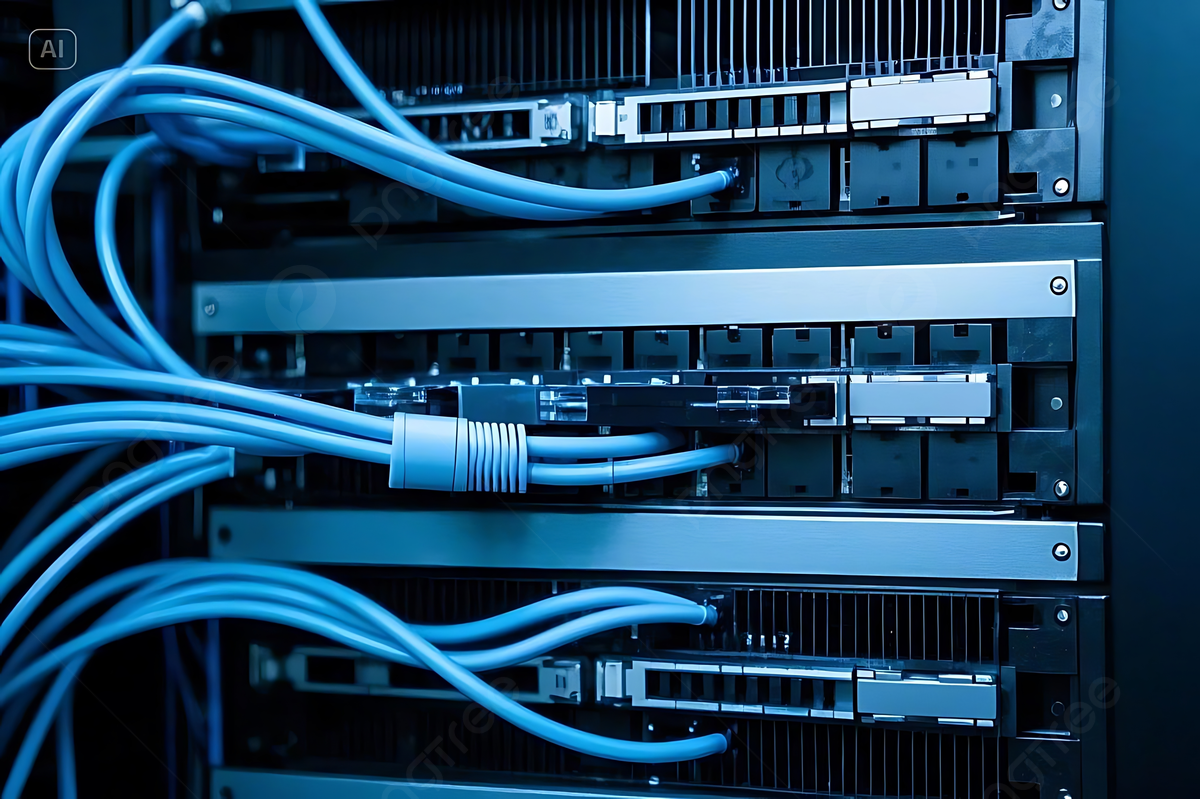
Structured Cabling Contractor in Torrance CA for Commercial Facilities
A reliable communications backbone begins with a structured cabling contractor in Torrance CA who understands how local commercial facilities operate today, and how they may need to adapt tomorrow. From office suites and retail spaces to warehouses, medical practices, and multi-tenant properties, structured cabling should support dependable voice, data, Wi-Fi, security, and audiovisual systems without creating a maze of difficult-to-manage wiring. Well-planned commercial cabling brings order to the infrastructure behind your walls, ceilings, racks, and workstations. It makes moves, additions, and technology upgrades more straightforward while helping teams identify connections quickly when service is needed. Thoughtful network cabling design also accounts for pathway capacity, equipment locations, labeling, testing, and the practical demands of the site. The result is an organized foundation built for consistent performance, cleaner maintenance, and future-ready systems. For Torrance businesses, the right installation is not simply about pulling cable; it is about creating infrastructure that supports daily operations with confidence.
Cabling Solutions Planned Around Your Facility
Reliable connectivity begins with a clear understanding of how your facility operates today, and where it needs to go next. We plan structured cabling systems around the practical realities of your space, from equipment rooms and office floors to production areas, retail environments, and multi-tenant properties. Every route, termination, and cabinet position is considered in relation to access, capacity, maintenance, and future expansion.
Whether the project calls for high-bandwidth fiber optic links, dependable data cabling for workstations, or a complete network cabling refresh, the objective is the same: infrastructure that performs cleanly and remains manageable over time. Thoughtful planning helps avoid congested pathways, poorly documented runs, and costly disruptions when systems change. The result is an organized foundation for the technology your team depends on, designed to support current demands while leaving room for the next phase of growth.
Structured cabling planning
| Facility area or need | Planning considerations | Supported outcome |
|---|---|---|
| Equipment rooms, office floors, production areas, retail environments, and multi-tenant properties | Routes, terminations, and cabinet positions are planned around access, capacity, maintenance, and future expansion. | An organized cabling foundation suited to the practical realities of the facility. |
| High-bandwidth connectivity | Fiber optic links are included where the project requires them. | Infrastructure designed to support high-bandwidth needs. |
| Workstation connectivity | Dependable data cabling is planned for workstation requirements. | Reliable connections for day-to-day operations. |
| Network cabling refreshes and future changes | Planning addresses pathway congestion, documentation, and room for growth. | Manageable infrastructure with fewer costly disruptions as systems change. |
A Clear Cabling Project Process With Minimal Business Disruption
A well-managed cabling project should feel orderly from the first site walk to final testing. Our process begins with a practical review of your space, existing infrastructure, growth plans, and the systems that need to stay online throughout the work. From there, we develop an installation plan that accounts for access, routing, safety, scheduling, and the specific requirements of your low voltage environment.
Before cabling installation begins, you receive a clear scope of work and a coordinated timeline, not vague promises or last-minute surprises. We can schedule work around operating hours, complete sensitive areas in phases, and keep pathways tidy so employees, customers, and other trades can move through the site safely. Installers label, test, and document each connection as the project progresses, making future moves, additions, and troubleshooting far simpler.
Just as important, our support continues after installation. We remain available to answer questions, resolve issues, and help your network infrastructure adapt as your business changes. The result is a dependable system delivered with the least possible interruption to daily operations.
Orderly project delivery process
- Review your space, existing infrastructure, growth plans, and systems that must remain online.
- Create a detailed installation plan covering routing, access, safety, scheduling, and low-voltage requirements.
- Provide a clear scope of work and coordinated timeline before installation begins.
- Schedule work around operating hours and phase sensitive areas to limit disruption.
- Keep work pathways organized so employees, customers, and other trades can move safely.
- Label, test, and document every connection for simpler future changes and troubleshooting
- Offer post-installation support for questions, issue resolution, and evolving network needs.
Testing, Labeling and Documentation for Long-Term Support
Reliable connectivity is not confirmed when the last outlet is installed; it is proven through disciplined testing, clear labeling and records that remain useful years after handover. Every structured cabling installation should be tested against the applicable performance standard, with certification results retained for each permanent link or channel. These reports provide a practical baseline for diagnosing future faults, validating warranty requirements and confirming that network cabling will support the services it was designed to carry. Thoughtful labeling is equally important. Cabinets, patch panels, outlets and cable routes should use a consistent reference system that technicians can understand without guesswork, even when the original installer is no longer involved. Final documentation should include updated floor plans, rack layouts, cable schedules and test records, reflecting the installation as built rather than as originally specified. This level of detail protects the investment in your infrastructure, shortens maintenance visits and makes later moves, additions and upgrades far less disruptive.
What Shapes Cabling Scope, Schedule and Quote
A reliable cabling quote starts with a clear view of the entire project, not simply the number of drops on a floor plan. In Torrance, the scope can shift significantly based on building age, ceiling access, pathway condition, occupancy requirements, and the distance between telecommunications rooms and work areas. Commercial cabling in an active office, warehouse, medical suite, or retail environment often requires phased installation so business operations can continue with minimal disruption. Material choices also matter: copper systems may suit standard workstation connectivity, while fiber optic runs are often essential for backbone capacity, longer distances, and higher-bandwidth applications. The final quote should account for cable routing, supports, terminations, labeling, rack work, firestopping, patching, and documentation, not just cable pulled through a ceiling. Schedule expectations depend on permit needs, after-hours access, coordination with other trades, and the availability of equipment or specialized fiber optic components. Thorough testing at completion confirms that the installation performs to specification and gives the client a documented baseline for future moves, additions, and upgrades.

Key cabling quote factors
- Confirm building age, ceiling access, existing pathways, and telecommunications room locations before defining scope.
- Account for occupied-space requirements, including phased work, after-hours access, noise control, and business continuity.
- Select copper or fiber based on workstation needs, backbone distances, bandwidth goals, and future expansion plans.
- Include routing, supports, terminations, labeling, rack installation, patching, firestopping, and project documentation.
- Review permit requirements and coordinate schedules with property management, other trades, equipment deliveries, and site access.
- Plan certification testing and final records to verify performance and support future moves, additions, and upgrades.
Structured Cabling FAQ
Structured Cabling FAQ for Torrance Businesses
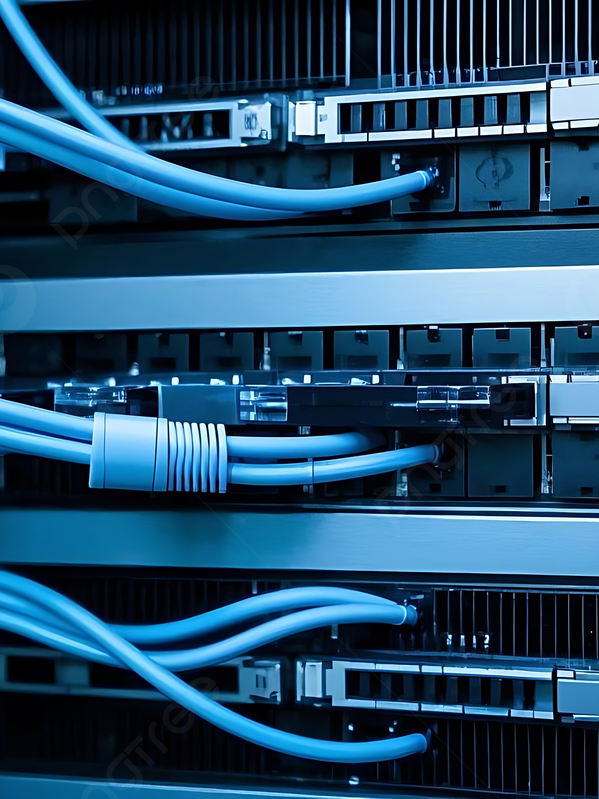

Choosing a structured cabling contractor in Torrance, CA often raises practical questions: Should a new office use copper, fiber, or both? How much capacity should be reserved for future growth? What belongs in a low-voltage scope rather than an IT equipment purchase? The answer depends on the building, workforce, applications, and the condition of existing pathways, not a one-size-fits-all package.
For most Torrance organizations, structured cabling is the physical foundation beneath reliable communications. Well-planned network cabling supports workstations, Wi-Fi access points, phones, cameras, access control, and other connected systems while keeping additions and troubleshooting manageable. Fiber may be the right choice for backbone links, larger facilities, high-bandwidth applications, or connections between buildings; copper remains essential at the desktop and for many powered devices.
A qualified local installer should begin with a site review, document routes and labeling standards, coordinate with other trades, and test every installed link. Ask for clear scope details, certification results, and a design that accommodates change without turning future moves into disruptive construction.
Frequently Asked Questions
A structured cabling contractor designs and installs the organized low-voltage wiring that supports data networks, phones, Wi-Fi access points, security cameras, access control, audiovisual systems, and other connected equipment. The work typically includes pathways, cable runs, patch panels, outlets, racks, labeling, testing, and final documentation.
Many commercial facilities need both. Copper cabling is commonly used for workstations, phones, wireless access points, cameras, and powered devices. Fiber optic cabling is often used for backbone links, longer distances, high-bandwidth applications, telecommunications rooms, and connections between buildings. A site review helps determine the right mix.
Disruption can be reduced through phased work, after-hours scheduling, coordinated access, and careful pathway management. A commercial cabling plan should identify areas that must remain operational, keep work zones orderly, and coordinate with employees, tenants, customers, and other trades.
Testing confirms that each installed link performs to the applicable standard. Clear labels and as-built records help technicians locate outlets, patch panels, routes, and equipment quickly. Certification reports, cable schedules, rack layouts, and updated floor plans also make troubleshooting, upgrades, and future moves much easier.
Pricing depends on the number and type of cable runs, building layout, ceiling access, pathway condition, distances, occupancy requirements, rack work, fiber components, firestopping, permits, scheduling, testing, and documentation. A detailed site assessment produces a scope that reflects the actual facility rather than only the number of data drops.
Existing cabling may be reusable if its condition, category rating, routing, capacity, labeling, and test results support current needs. A contractor can assess the installed infrastructure, identify outdated or undocumented runs, and recommend whether to retain, replace, or supplement it for reliable long-term performance.
Don’t Know What To Start With?
Get A Solutions For All Structured Cabling Services
Location
Proudly serving Torrance, CA with reliable network cabling and connectivity solutions for businesses.
-
Torrance, California, 90501
-
Phone: +1 (747) 307-5484
-
Email:
[email protected]