
Structured Cabling Installation Services for Southern California Businesses
A dependable network starts behind the walls, above the ceilings, and inside the communications room. Our structured cabling installation services give Southern California businesses a clean, documented foundation for the technology they rely on every day, workstations, phones, cameras, access control, audiovisual systems, and WiFi.
Rather than treating each new device as a separate wiring project, structured cabling creates an organized system built to support today’s operations and tomorrow’s changes. We design and install copper and fiber cabling with sensible pathways, labeled terminations, properly dressed racks, and room to grow. The result is easier troubleshooting, more reliable performance, and a professional infrastructure that does not become a liability when your business expands or relocates.
From Los Angeles offices and retail spaces to industrial facilities across the county, our team plans each installation around the realities of the site. That may mean working around occupied offices, coordinating after-hours access, navigating older construction, or building out a new suite on a tight opening schedule. As an experienced cabling contractor, we coordinate the details that protect both the installation and your daily operations.
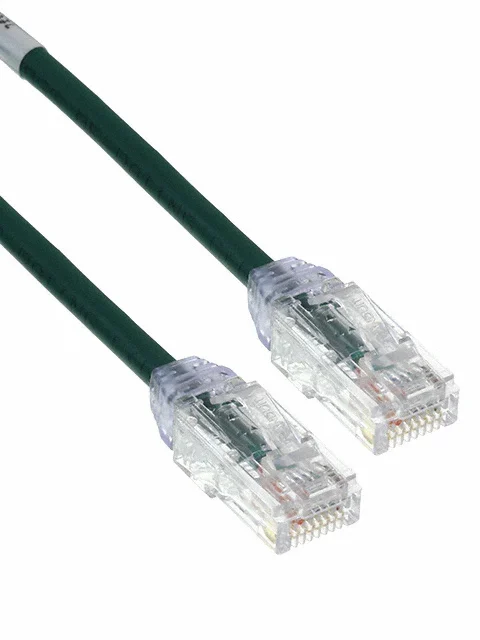
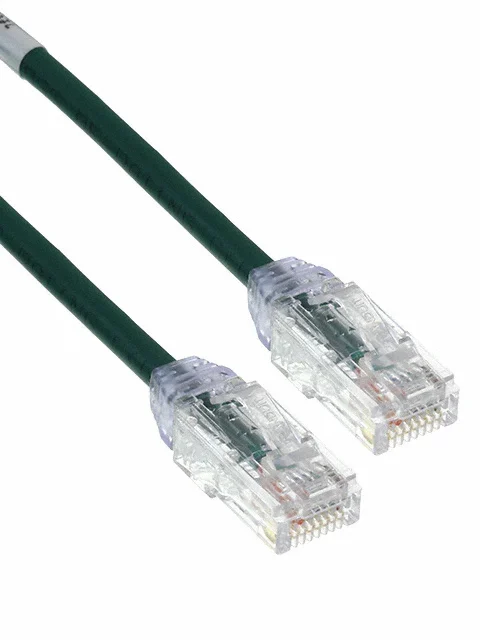
Every cable run is only as useful as its final performance. We run Ethernet to the locations where people and systems need it, terminate connections to recognized standards, and provide cable certification for qualifying installations. Clear labeling and test documentation give your IT team a practical record of the network, not a guesswork diagram months after the work is complete.
Whether you need a small office refresh, a multi-floor installation, or a complete network buildout, our Southern California cabling specialists deliver installation services with the planning, craftsmanship, and accountability a serious business expects.
Structured Cabling Planning Checklist
| Planning area | What to assess before installation | Why it matters |
|---|---|---|
| Site survey | Identify work areas, device locations, central network cabinet placement, ceiling access, fire barriers, electrical routes and construction materials. | Reveals practical constraints and supports a coordinated cabling plan before work begins. |
| Outlet and device locations | Plan connections for users, wireless access points, cameras, displays, phones and specialist equipment. | Ensures network access is available where equipment will be used. |
| Cable routes | Plan routes with safe separation from power, suitable bend radii and access for later maintenance. | Helps protect cable performance and makes future work easier. |
| Capacity and spare outlets | Assess high-density areas and allow additional outlets and spare capacity where needed. | Reduces disruption and expense when network requirements grow. |
| Backbone links | Consider links between floors, buildings and communications rooms, including whether fiber is required. | Supports an integrated system where copper and fiber serve appropriate roles. |
| Containment and cabinets | Review existing containment, patch panels, cabinets and the location of the central network cabinet. | Provides an orderly installation and supports straightforward maintenance. |
| Power-over-Ethernet | Account for power-over-Ethernet demands as part of the cabling design. | Helps prepare the network for devices that receive power through their network connection. |
| Labelling and documentation | Use clear labels and record every cable run. | Makes later moves, additions and fault-finding easier. |
| Certification testing | Include certification testing in the installation plan. | Confirms that installed runs meet the required installation standards. |