
Server Room Cabling Installation in Torrance CA
Server room cabling installation in Torrance, CA, should do more than connect equipment, it should keep your network organized, accessible, and ready to grow. From equipment racks and patch panels to clean cable pathways, professional cabling helps reduce downtime and simplify ongoing maintenance.
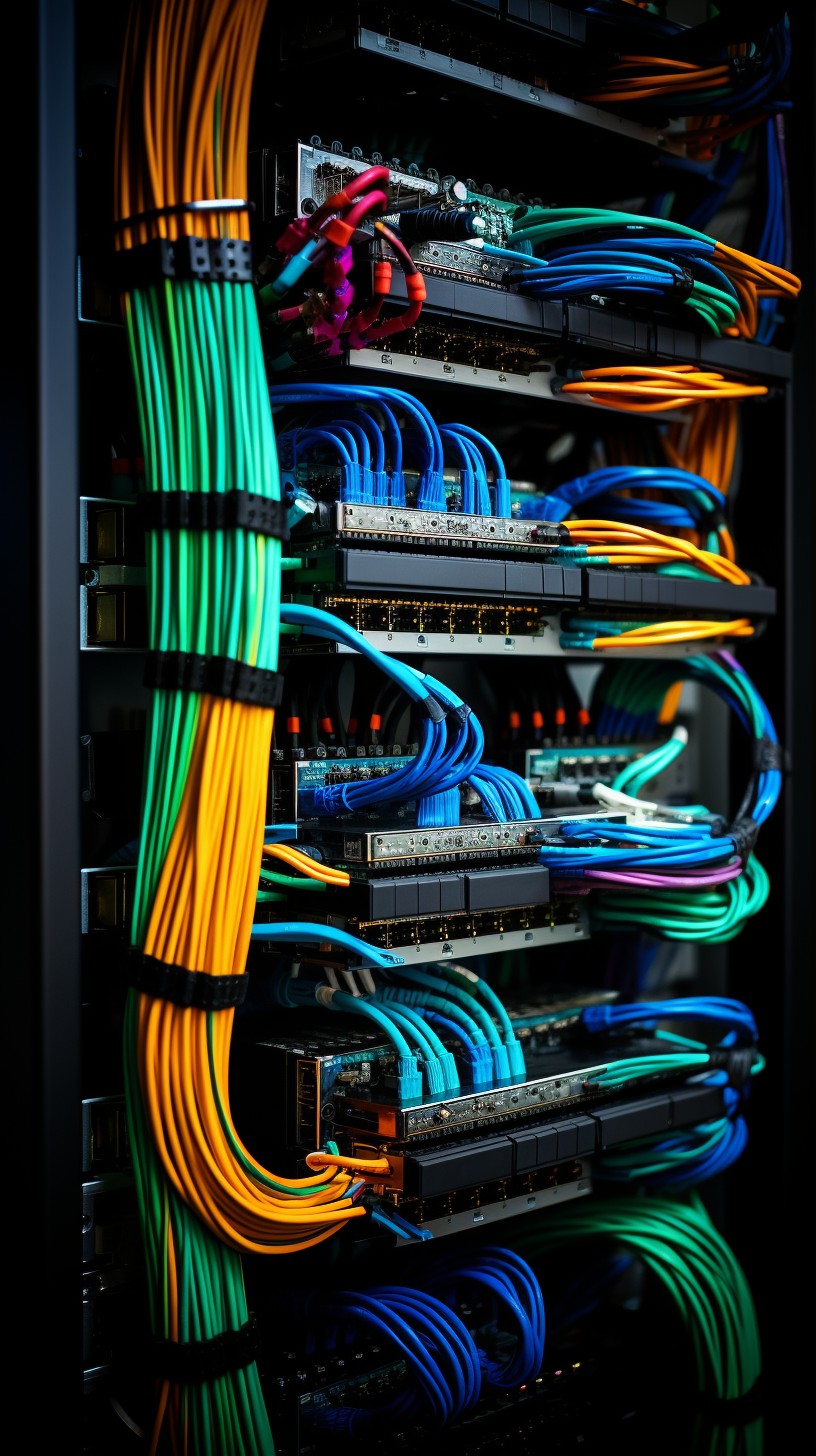
Server Room Cabling Installation in Torrance CA
A well-planned server room is the quiet operating center behind a reliable business network. For organizations seeking server room cabling installation in Torrance CA, the priority is not simply getting cables from one point to another. It is creating an orderly, documented foundation that supports current equipment while leaving room for the next switch, server, access point, or fiber connection.
An experienced cabling contractor begins with the equipment room itself: rack placement, pathways, grounding considerations, cooling clearances, patching strategy, and the practical separation of power and low-voltage runs. Those details influence day-to-day serviceability as much as long-term performance. Clean routing and properly supported cable installation make it easier for IT teams to identify ports, trace connections, replace hardware, and avoid the tangled patch fields that can turn a minor move into an unnecessary outage.
Structured cabling gives the network infrastructure a consistent physical language. Copper data cabling can serve workstations, wireless access points, phones, cameras, and other connected systems, while fiber supports higher-bandwidth uplinks, inter-building links, and backbone connections where distance or capacity calls for it. The right mix depends on the application, the building, and the organization’s plans, not on a one-size-fits-all bill of materials.
Server Room Cabling Installation Priorities
| Installation priority | What it supports | Why it matters during daily operations |
|---|---|---|
| Rack layout and placement | Existing equipment, future switches, servers, and organized equipment room design | Helps keep equipment accessible while allowing room for growth. |
| Cable pathways and routing | Orderly cable runs and space for future cable additions | Makes connections easier to trace and helps prevent tangled patch fields. |
| Patching strategy | Organized patch fields and manageable network connections | Helps IT teams identify ports, replace hardware, and handle moves with less disruption. |
| Power and low-voltage separation | Practical routing for electrical and communications cabling | Supports a more orderly equipment room installation. |
| Clear labeling | Documented cable runs and identifiable connections | Gives internal teams a clearer picture of the network infrastructure they manage. |
| Connection testing | Verification of each installed connection before handoff | Provides a more dependable starting point for network operations. |
| Future capacity planning | Additional switches, servers, access points, fiber connections, and cable runs | Helps the network remain scalable as organizational needs change. |
Server Room Installation Priorities
- Plan rack placement, pathways, cooling clearances, and grounding before installation begins.
- Separate power and low-voltage cables to support safety and dependable network performance.
- Use organized routing and support systems for easier maintenance and future additions.
- Label and test every connection before handoff to simplify troubleshooting.
- Reserve rack space and pathways for switches, fiber uplinks, and future growth.
Cabling Services for Server Rooms and Equipment Racks in Torrance: Cable Management and Cabling
In a server room, cabling is not background infrastructure, it is the system that determines how easily a business can maintain, expand, and troubleshoot its technology. Professional cabling services in Torrance bring order to equipment racks, network closets, communications rooms, and dedicated server rooms where a single poorly routed cable can complicate an otherwise routine service call. The objective is a clean, documented installation that protects equipment, supports dependable performance, and leaves room for future work.
Thoughtful cable management begins with the rack layout. Patch panels, switches, power distribution, and servers should be positioned to reduce strain on connections and keep pathways accessible. Horizontal and vertical managers, properly sized cable trays, hook-and-loop fasteners, and clear labeling help separate data cabling from power while preventing dense bundles from becoming an unmanageable obstruction. This level of organization makes it easier to identify a port, trace a cable, replace hardware, or add a new connection without disturbing critical systems.
For Torrance organizations operating in offices, industrial facilities, retail locations, medical practices, or multi-tenant buildings, the right approach also accounts for the environment beyond the rack. Cable routes must be planned around ceiling spaces, walls, pathways, heat, airflow, and the practical needs of the people who will support the network after installation. A well-executed cabling project considers present capacity without filling every pathway on day one, preserving a practical path for growth.
Server Room Cabling Essentials
- Plan rack layouts for accessible ports, power distribution, and future equipment.
- Separate data and power cables using trays, managers, and hook-and-loop fasteners.
- Label cables at both ends and maintain accurate pathway documentation.
- Protect bend radius, airflow, and access during routing and termination.
- Test every connection to applicable standards before placing systems into service.
Frequently Asked Questions
It includes planning rack layouts, routing copper and fiber cables, installing patch panels and cable management, separating power from low-voltage cabling, labeling connections, and testing each run before handoff.
Organized cabling improves airflow, reduces strain on connections, makes ports easier to trace, and allows equipment changes without disrupting nearby systems. Clear labels and documentation also help IT teams resolve issues faster.
Many installations use both. Copper supports devices such as workstations, phones, cameras, and access points, while fiber is suited to high-bandwidth uplinks, longer distances, and backbone connections. The best choice depends on capacity, distance, and growth plans.
Don’t Know What To Start With?
Get A Solutions For All Structured Cabling Services
Location
Proudly serving Torrance, CA with reliable network cabling and connectivity solutions for businesses.
-
Torrance, California, 90501
-
Phone: +1 (747) 307-5484
-
Email:
[email protected]