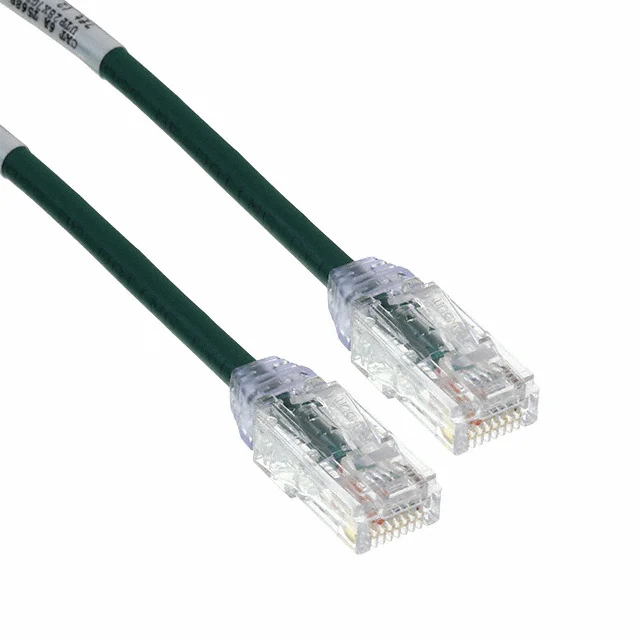
Cat6A Cabling Contractor in Torrance CA

Looking for a Cat6A cabling contractor in Torrance, CA? A properly designed commercial network starts with structured cabling that supports today’s bandwidth needs while leaving room for growth. From offices and retail spaces to warehouses and multi-tenant properties, Cat6A delivers dependable performance for demanding data, voice, Wi-Fi, and PoE devices.

Cat6A Cabling Contractor in Torrance, CA for Commercial Networks

Choosing a Cat6A cabling contractor in Torrance, CA means building a commercial network around present performance and future change. POP plans and installs commercial cabling for offices, medical suites, warehouses, and multi-tenant properties, coordinating low-voltage infrastructure that gives each business dependable access, clean pathways, and a network ready to expand.

Strong installations begin before anyone pulls cable. Our structured cabling process starts with a detailed site survey of the Torrance facility: existing telecom rooms, ceiling conditions, risers, electrical separation, fire-rated penetrations, tenant constraints, and the locations where people and equipment actually work. That survey turns broad requirements into a cabling design that accounts for workstation density, wireless access point placement, cameras, phones, printers, and future additions without turning ceilings or closets into an afterthought.

We map practical cable pathways through ceilings, walls, conduits, and accessible tray systems while respecting building access requirements and the realities of occupied space. Each data cabling route is planned to protect cable performance, simplify maintenance, and keep future moves or additions manageable. The result is site cabling that looks considered as well as organized: labeled runs, logical equipment-room layouts, and a clear record of how the infrastructure supports the network. By resolving pathway conflicts early, our team helps avoid disruptive field changes, unnecessary material costs, and the compromises that can limit a commercial system long after installation is complete.

Structured Cabling Planning Checklist

  • Survey telecom rooms, ceilings, risers, fire-rated penetrations, and tenant access requirements before finalizing the design.
  • Document workstation density, wireless access points, cameras, phones, printers, and anticipated growth areas.
  • Map cable pathways through ceilings, walls, conduits, and tray systems for accessible, maintainable routing.
  • Maintain proper separation from electrical services to protect data performance and support code-conscious installation practices.
  • Resolve pathway conflicts early to reduce field changes, material waste, occupant disruption, and installation delays.
  • Plan logical equipment-room layouts with labeled runs that simplify troubleshooting, moves, additions, and maintenance.
  • Create clear infrastructure records showing how each cable route supports the facility’s network and future expansion.

When Cat6A Fits Your Cabling Requirements

Cat6A is a strong choice when your network needs dependable performance beyond today’s baseline without committing to fiber at every desktop or device. As an augmented Category 6 standard, it supports 10 Gigabit Ethernet over the full 100-metre channel, making it well suited to offices with high-density wireless access points, video collaboration, large file transfers, security systems, and growing numbers of connected endpoints. It is also a sensible long-term option for new builds, major renovations, and sites where reopening ceilings or walls for a future cabling installation would be disruptive or costly.

The decision is not simply about selecting the highest-rated copper cabling available. Cat6A cable is typically thicker and less flexible than Cat6, so pathways, patch panels, outlet boxes, bend radius, and rack space all need careful consideration. A quality installation should account for bundle size and heat management, especially where Power over Ethernet will support access points, cameras, lighting controls, or other powered devices. Those details affect both performance and the ability to certify the finished links.

For many local businesses, Cat6A delivers the right balance: familiar copper infrastructure, broad equipment compatibility, and headroom for the systems likely to arrive during the life of the building. It can be unnecessary for a small, lightly used network with modest bandwidth demands, but it earns its place where reliable 10GbE capability, PoE support, and future flexibility matter. The best specification begins with the actual applications, physical environment, and expected growth, not a one-size-fits-all cable category.

When Cat6A Is a Practical Fit

Network situation or requirementWhy Cat6A may fitInstallation considerations
Reliable 10 Gigabit Ethernet requirementsSupports 10GbE over the full 100-metre channel without requiring fiber to every desktop or device.Plan pathways, patch panels, outlet boxes, bend radius, and rack space for thicker, less flexible cable.
High-density wireless, video collaboration, large file transfers, or security systemsProvides performance headroom for bandwidth-intensive applications and growing numbers of connected endpoints.Account for bundle size and ensure the completed links can be properly certified.
PoE-powered access points, cameras, lighting controls, or other devicesOffers a suitable copper infrastructure for networks where PoE support matters.Include heat management in cable-bundle planning, particularly where many powered devices are served.
New builds, major renovations, or difficult-to-reopen spacesHelps provide long-term flexibility where future cabling work behind ceilings or walls would be disruptive or costly.Design pathway capacity and physical cable management carefully before construction is complete.
Small, lightly used networks with modest bandwidth demandsMay not be necessary when dependable 10GbE capability, PoE support, and future expansion are not priorities.Choose the cable category based on actual applications, physical conditions, and expected growth.

Cat6A, Cat6 and Fiber for Commercial Cabling

The right commercial cabling system does more than connect desks, access points and servers. It establishes the physical foundation for reliable communication, scalable technology and a workplace that can adapt without repeated disruption. The best choice depends on what the building needs today, how long the installation must serve it and where bandwidth demand is heading.

Cat6 remains a capable, practical option for many network cabling projects, particularly standard office workstations, phones, printers and modest PoE deployments. It supports everyday business traffic well when designed and installed correctly. Cat6A offers greater headroom: it is built to support 10 Gigabit Ethernet over longer runs and is often the better fit for dense wireless environments, high-power devices, modern collaboration spaces and businesses planning for sustained growth.

Fiber is the natural choice for backbone connections between telecom rooms, floors or separate buildings. Unlike copper cable, fiber carries data over much longer distances with high capacity and no susceptibility to electromagnetic interference. It is especially valuable in larger properties, healthcare facilities, warehouses, campuses and any environment where uptime and expansion matter.

A considered design frequently uses all three. Copper supports endpoint connections, while fiber links the network’s core infrastructure. Experienced cabling services assess pathways, distance limits, rack locations, power requirements and future device density before specifying materials. That planning helps avoid a network that works on opening day but becomes a constraint a few years later. A clean, tested installation also gives IT teams the documentation and confidence needed to troubleshoot, add capacity and protect their technology investment.

Installation, Testing and Certification for Active Facilities

In an occupied commercial environment, cabling work has to respect the building’s daily rhythm as much as its technical requirements. Professional cabling services begin with a clear plan for access, safety, sequencing and communication, so tenants, staff and critical systems remain supported throughout the project. Whether the scope is a single communications room refresh or a full structured cabling upgrade across multiple floors, experienced coordination keeps disruption controlled and decisions documented.

Our approach to cabling installation is designed for active facilities where downtime is not an option. Routes are surveyed before work begins, existing pathways and equipment are reviewed, and installation schedules are shaped around business hours, restricted areas and operational priorities. That care is especially important in healthcare, education, retail, hospitality, offices and other commercial cabling settings where construction activity must coexist with the work already happening on site.

Installation is only one part of a dependable result. Every new link should undergo appropriate testing, with results recorded against the applicable performance standard and project specification. Certification provides objective confirmation that the cabling system has been installed correctly and can support the network equipment it is intended to serve. Clear test records also give facilities teams a practical baseline for future moves, additions, troubleshooting and warranty documentation.

From containment and labeling to final testing and certification, disciplined execution protects both the immediate project and the long-term value of the infrastructure. The goal is not simply to install cable, but to deliver an organized, traceable system that supports reliable operations from day one.
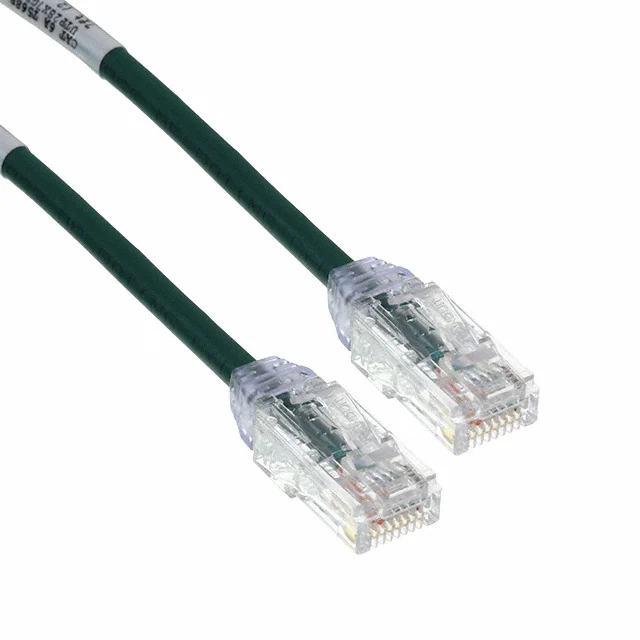
Plan Your Torrance Cat6A Project and Request a Quote

A successful Cat6A installation begins well before cable reaches the ceiling space. For a Torrance office, retail location, medical practice, warehouse, or mixed-use property, the most useful quote reflects the real conditions of the site: the number and location of work areas, equipment rooms, pathways, ceiling access, existing infrastructure, and the performance expectations for the network. A thoughtful cabling design also accounts for growth, so a renovation or new build can support additional users, wireless access points, cameras, and connected systems without creating unnecessary disruption later.

Begin with a site survey from an experienced cabling contractor. The survey gives contractors a practical view of risers, conduits, firestopping requirements, rack space, electrical separation, and any constraints that may affect installation sequencing. It is especially valuable in occupied buildings, where access windows, tenant operations, and clean work practices need to be coordinated carefully. For properties across Los Angeles County, clear documentation of these details helps produce a more dependable scope, schedule, and material recommendation.

When requesting a quote, share floor plans if available, outlet counts, intended device locations, current network concerns, and preferred timing. Signal Solutions Installs can use that information to develop an installation approach suited to your space rather than relying on broad allowances. The result is a clearer path from planning through testing and labeling: structured cabling built for reliable high-speed connectivity, organized maintenance, and the next phase of your Torrance operation.


Frequently Asked Questions

Location

Proudly serving Torrance, CA with reliable network cabling and connectivity solutions for businesses.